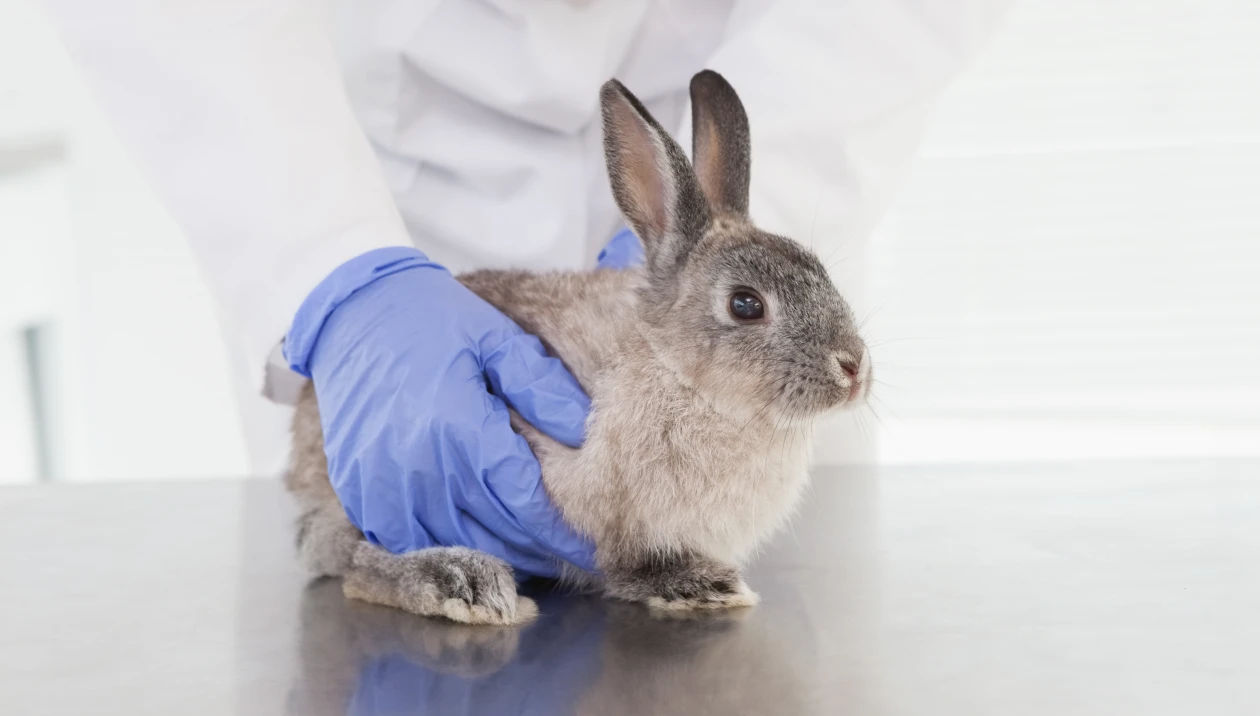
Rabbits rarely make a fuss when they feel unwell. In Langley, BC, many pet owners are surprised to learn how quickly a minor issue can escalate in these sensitive animals. Because rabbits instinctively hide pain, subtle changes in behaviour are often the first clue that veterinary care is required.
At Apex Animal Hospital, early assessment plays a key role in preventing complications. Knowing when Rabbit medicine and surgery may be necessary allows you to act before a condition becomes critical. Below, you’ll find a practical guide built around what to watch for, why it matters, and how to respond.
Rabbit medicine and surgery include medical treatment, diagnostic imaging, dental procedures, soft-tissue operations, and supportive care tailored to rabbits. Their anatomy and digestive systems differ significantly from those of dogs and cats, which means treatment plans must reflect those differences.
In Langley, BC, access to Rabbit medicine and surgery ensures that issues such as dental overgrowth, gastrointestinal stasis, abscesses, and urinary stones are addressed with proper monitoring and anesthetic protocols suited to rabbits.
Rabbits can deteriorate rapidly once symptoms appear. A delay of even a day can turn a manageable concern into an emergency. Seeking Rabbit medicine and surgery at the first sign of trouble improves outcomes and reduces stress for both pet and owner.
Early intervention can:
For rabbit owners in Langley, BC, awareness is the first layer of protection.
Subtle behavioural changes are often the earliest red flags. Monitoring eating habits, posture, and litter box patterns daily gives you a clear baseline for comparison.
Below are nine important indicators that may signal the need for Rabbit medicine and surgery.
Rabbits should eat consistently throughout the day. If your rabbit refuses hay or pellets, this could indicate dental pain, a slowed digestive system, or an internal obstruction. Many of these concerns require prompt Rabbit medicine and surgery to stabilize the digestive system.
If your rabbit hasn’t eaten in 12 hours, contact your veterinarian in Langley, BC, immediately.
Healthy droppings are uniform and plentiful. Small, dry, or absent fecal pellets suggest gastrointestinal distress. Early evaluation may reduce the extent of Rabbit medicine and surgery required later.
Check litter boxes daily and note any changes.
Excess saliva often points to dental disease. Rabbits’ teeth grow continuously, and misalignment can lead to painful spurs or abscesses. Dental trimming or surgical drainage are common components of Rabbit medicine and surgery.
If chewing seems difficult or food is being dropped, schedule an exam in Langley, BC without delay.
Firm lumps under the skin frequently indicate abscess formation. Rabbits produce thick pus that rarely resolves without intervention. In many cases, Rabbit medicine and surgery are necessary to remove infected tissue and manage the source.
Avoid attempting home treatment—professional care is essential.
Open-mouth breathing, wheezing, or nasal discharge are urgent signs. Respiratory infections can progress quickly in rabbits. Diagnostic imaging and, in some cases, Rabbit medicine and surgery may be required to address deeper complications.
Any breathing difficulty warrants immediate attention in Langley, BC.
A tilted head can stem from ear infections, parasites, or neurological disorders. Treatment often begins medically, but complications may require Rabbit medicine and surgery to correct underlying issues.
Balance problems should never be dismissed as temporary quirks.
Bladder stones and reproductive disease are common in rabbits. If you notice straining, vocalization, or blood-tinged urine, imaging is needed. Surgical removal of stones is a frequent aspect of Rabbit medicine and surgery in these cases.
Prompt care reduces the risk of blockage.
Rabbits are naturally alert. A quiet, withdrawn rabbit may be experiencing pain. Internal infections or blockages often present this way and may require Rabbit medicine and surgery after diagnostic testing.
Trust noticeable shifts in personality.
Weight loss may occur slowly over weeks. Regular weigh-ins at home or during wellness visits in Langley, BC, help identify early changes. Dental issues and chronic infections often require Rabbit medicine and surgery to correct.
Even small fluctuations deserve attention.
Being proactive reduces risk and improves outcomes.
Provide unlimited grass hay, measured pellets, and fresh greens. A fibre-rich diet lowers the likelihood of digestive emergencies requiring Rabbit medicine and surgery.
Ensure housing is clean, dry, and free from hazards. Stress reduction supports immune health.
Seek immediate care if your rabbit:
Non-emergency concerns should still be evaluated promptly. Early appointments allow the veterinary team to determine whether Rabbit medicine and surgery are required or if medical management alone is sufficient.
Apex Animal Hospital in Langley, BC, is equipped to assess rabbit-specific concerns, including dental imaging and surgical procedures tailored to small mammals.
Apex Animal Hospital serves families throughout Langley, BC, with veterinary services that reflect the unique needs of rabbits. Care plans involving Rabbit medicine and surgery are discussed thoroughly with owners, including preparation, anesthesia considerations, and recovery guidelines.
Clear communication, attentive monitoring, and structured follow-up appointments are central to supporting safe outcomes. Being locally accessible also allows for convenient rechecks and ongoing assessments.
Preventive care plays a significant role in reducing the need for urgent interventions. Routine wellness exams, spaying or neutering when appropriate, and early dental assessments help limit the need for advanced Rabbit medicine and surgery later in life.
Rabbits thrive when small issues are addressed quickly. By paying close attention to the signs outlined above and partnering with a veterinary team in Langley, BC, you can respond confidently when your pet needs help.
If you notice any of these nine warning signs, contact Apex Animal Hospital to arrange an evaluation. Timely Rabbit medicine and surgery, when indicated, can stabilize health concerns and support your rabbit’s continued well-being.