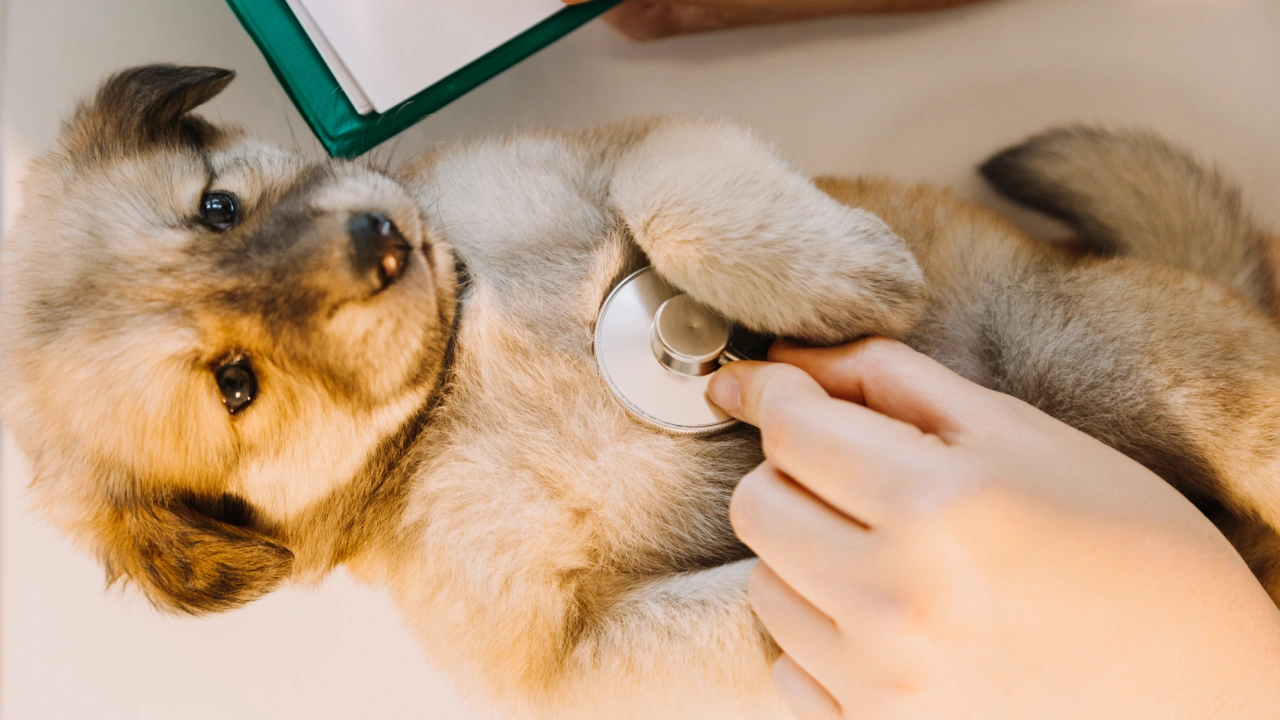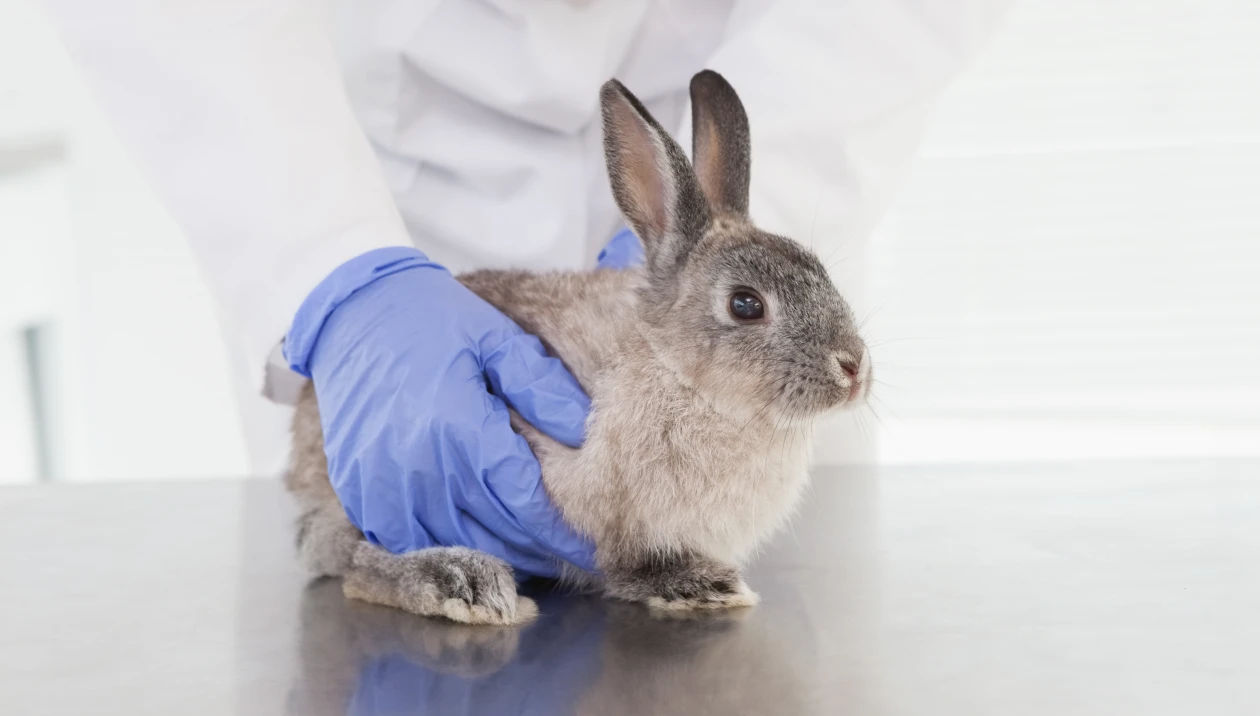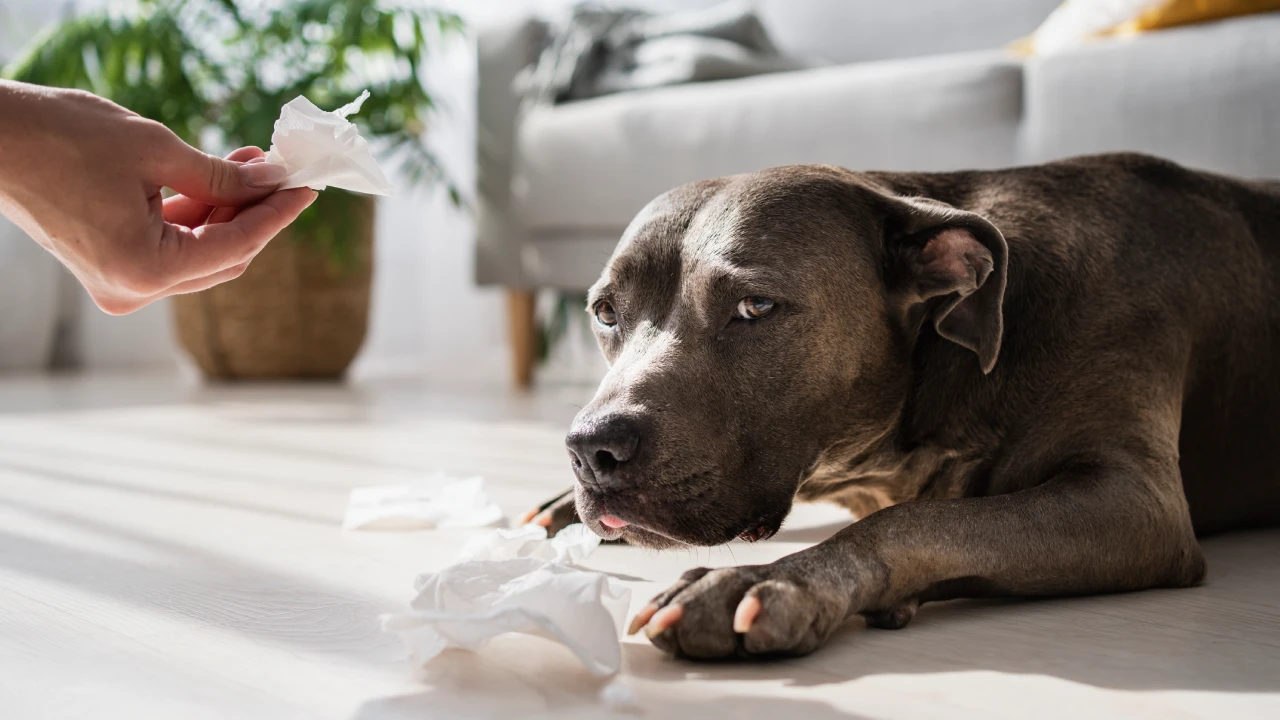
Small pets rely on a healthy, active digestive tract to stay stable and healthy. When an object or condition blocks that pathway, the body cannot move food or fluids forward. Pain, nausea, and internal strain follow quickly. In many cases, Small Animal Surgery becomes the direct method used to remove the obstruction and protect internal organs. Acting early often limits complications and shortens recovery time.
Digestive blockages affect cats, small-breed dogs, rabbits, and other compact pets more often due to their size and behaviour. Chewing, scavenging, and grooming habits raise the chance of swallowing items that do not belong in the stomach or intestines.
Some blockages respond to close monitoring or supportive care, but many do not. When material becomes lodged or exerts pressure on the intestinal wall, circulation can drop, and tissue damage may begin. Small Animal Surgery allows veterinarians to reach the affected area directly, remove the cause, and restore normal flow before the situation escalates.
Delaying care can turn a manageable problem into a critical one. That is why knowing the common blockage types helps pet owners decide when to seek immediate help.
The process begins with diagnostics such as imaging and lab work. These steps confirm the location and severity of the blockage. Once surgery is chosen, Small Animal Surgery focuses on precise access, careful removal, and thorough inspection of surrounding tissue. Afterward, monitoring, nutrition planning, and follow-up checks support healing and digestion.
Below are nine blockage scenarios that often require surgical correction in small pets.
Socks, cloth pieces, and plush toy fragments are frequent causes of obstruction. These items swell inside the gut and do not break down. Small Animal Surgery allows safe extraction before tearing or infection develops.
Cooked bones can splinter or lodge firmly in narrow sections of the intestine. Surgical removal prevents further irritation and helps restore normal bowel movement.
While grooming is natural, swallowed hair can build into dense clumps. When these masses stop intestinal movement, Small Animal Surgery clears the blockage and reduces ongoing discomfort.
Corn cobs are a common emergency finding. Their shape allows them to wedge tightly in the intestines. Small Animal Surgery removes the obstruction before pressure damages the intestinal wall.
String-like items pose a serious risk. As the intestines move, these materials can cut into tissue. Small Animal Surgery is often the safest way to prevent internal injury in these cases.
Some blockages develop gradually due to growths within or near the digestive tract. Surgery addresses the narrowed section and supports normal food movement.
Certain small breeds are at higher risk of intestinal twisting. This condition restricts blood flow and requires immediate correction to protect tissue health.
In rare situations, stool becomes so firm that it forms a physical barrier. When non-surgical methods fail, Small Animal Surgery provides a direct solution and relieves strain on the intestines.
Previous infections or injuries can leave scar tissue that tightens the intestinal pathway. Surgical correction restores space and supports steady digestion.
Vomiting, swelling of the abdomen, loss of appetite, lethargy, and repeated straining should never be ignored. If symptoms persist, prompt evaluation matters. Early action can limit the scope of Small Animal Surgery and shorten recovery time.
Our pet clinic supports small pets in Langley with timely assessment, clear communication, and attentive surgical care. Diagnostics guide each decision, while postoperative monitoring focuses on comfort, hydration, and a safe return to eating. Small Animal Surgery plays a key role when digestive blockages threaten a pet’s health, and access to local care can make a meaningful difference.
Digestive blockages can appear without warning, but knowing the risks helps pet owners act without delay. When surgery is required, Small Animal Surgery restores digestive flow and helps protect long-term health. For families seeking dependable care in Langley, Apex Animal Hospital continues to support small pets through careful evaluation, skilled surgical intervention, and steady follow-up when it matters most.
Rabbit medicine and surgery
Bone fractures treatment for animals
Knee surgery for pets
Endoscopy exam for pets
Small Animal Surgery
Vomiting dogs treatment