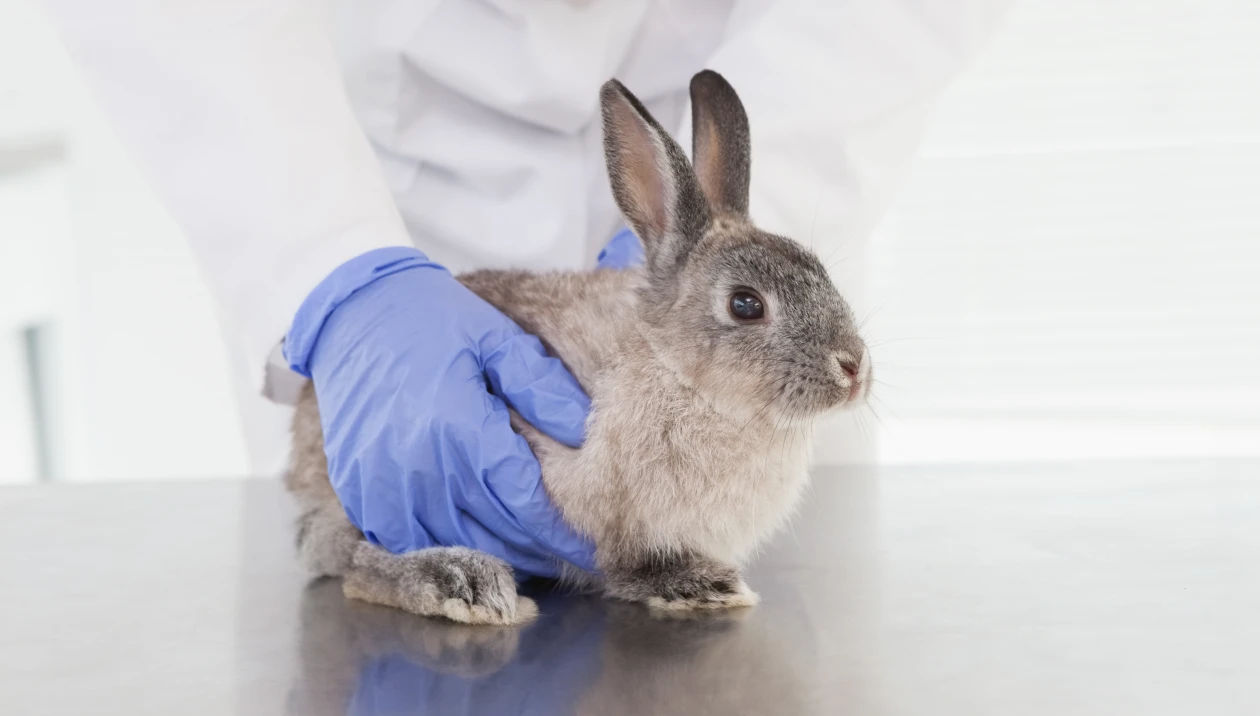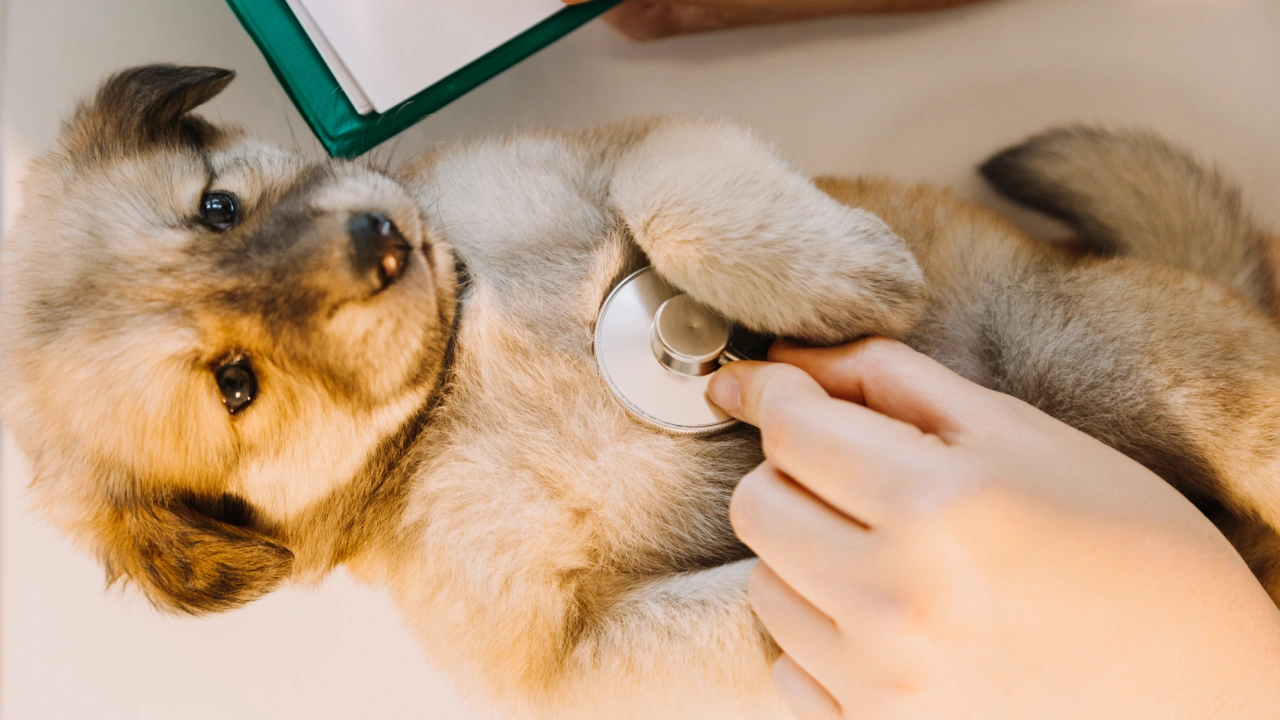
When your pet is not acting like themselves, your instincts often tell you something is wrong. Maybe they are refusing food, coughing repeatedly, or struggling with unexplained vomiting. These changes can feel worrying, especially when they linger. In many cases, an Endoscopy exam for pets can provide the clarity you need.
For pet owners in Langley, knowing when to consider an Endoscopy exam for pets can make a meaningful difference in your companion’s health journey. This article explains what the procedure involves, when it is recommended, and how it helps veterinarians identify issues with accuracy and care.
An Endoscopy exam for pets is a minimally invasive diagnostic procedure that allows a veterinarian to examine the inside of your pet’s digestive or respiratory tract using a thin, flexible tube equipped with a small camera. The device is gently inserted through the mouth or another natural opening, providing a clear, real-time view of internal structures.
Unlike traditional surgical exploration, an Endoscopy exam for pets does not require large incisions. This approach allows veterinarians to detect inflammation, foreign objects, ulcers, growths, or structural abnormalities with precision.
In Langley, advanced veterinary facilities use modern imaging equipment to ensure clear visualization and accurate diagnosis.
During an Endoscopy exam for pets, your pet is placed under general anesthesia to ensure comfort and stillness. The veterinarian carefully guides the endoscope into the area of concern, such as the esophagus, stomach, upper intestine, or airways.
The camera transmits high-definition images to a monitor, enabling the veterinary team to closely evaluate tissues. In many cases, small instruments can be passed through the endoscope to collect biopsy samples or retrieve foreign objects.
Because an Endoscopy exam for pets avoids major incisions, recovery is typically quicker compared to surgical procedures.
Certain symptoms should prompt a discussion with your veterinarian about whether an Endoscopy exam for pets is appropriate.
If vomiting continues despite dietary adjustments or medication, further investigation may be necessary.
Ongoing digestive upset can point to inflammation or other internal conditions.
Gagging or regurgitation may suggest an esophageal obstruction or irritation.
Weight changes without diet modifications can indicate internal disease.
Respiratory endoscopy can help evaluate the airways for abnormalities.
Pets sometimes swallow items that become lodged in their intestines. An Endoscopy exam for pets can often retrieve them without surgery.
This symptom requires immediate veterinary assessment.
A prolonged refusal to eat may signal gastrointestinal discomfort.
If X-rays or ultrasounds reveal unclear findings, an Endoscopy exam for pets may provide additional insight.
Pet owners in Langley who notice these concerns should consult a trusted veterinary clinic promptly.
Choosing an Endoscopy exam for pets offers several advantages. Because there are no large surgical cuts, discomfort is typically reduced. The procedure allows direct visualization, which often leads to quicker and more accurate diagnoses.
Another advantage of an Endoscopy exam for pets is the ability to obtain biopsy samples during the same session. This helps confirm conditions such as inflammatory bowel disease or certain types of growths.
For many families in Langley, this approach means fewer complications and shorter recovery periods for their pets.
Understanding the process can ease concerns about scheduling an Endoscopy exam for pets.
Your veterinarian will provide fasting instructions. Pre-anesthetic bloodwork is often performed to ensure your pet is a suitable candidate for anesthesia.
The veterinary team monitors heart rate, oxygen levels, and blood pressure throughout. Modern equipment enhances both safety and diagnostic accuracy.
Most pets return home the same day. Mild grogginess may occur, but many animals resume normal behaviour within 24 hours. Your veterinarian will review findings and discuss any next steps.
In Langley, clinics equipped with advanced monitoring systems prioritize patient safety and comfort at every stage.
When facing uncertainty about your pet’s health, having access to experienced veterinary professionals matters. At Apex Animal Hospital in Langley, pet owners receive attentive care backed by modern diagnostic tools. The team at Apex Animal Hospital focuses on careful evaluation and clear communication to help families make informed decisions.
If your instincts tell you something is not right, discussing whether an Endoscopy exam for pets is suitable can be an important step toward answers.
If your pet is experiencing ongoing digestive or respiratory concerns, do not wait for symptoms to worsen. An Endoscopy exam for pets can provide valuable insight without the need for invasive surgery.
Contact Apex Animal Hospital today to schedule a consultation. Early evaluation supports timely treatment and peace of mind for you and your pet.
An Endoscopy exam for pets can identify inflammation, ulcers, foreign objects, growths, structural abnormalities, and sources of internal bleeding.
Yes, when performed by trained veterinary professionals using modern monitoring equipment, the procedure is considered safe. Pre-anesthetic screening further reduces risks.
Most procedures are completed within 30 to 60 minutes, depending on the area being examined and whether biopsies are collected.
No. An Endoscopy exam for pets does not require surgical incisions, so stitches are typically unnecessary.
Visual findings are often discussed on the same day. Biopsy results from an Endoscopy exam for pets may take several days to process.