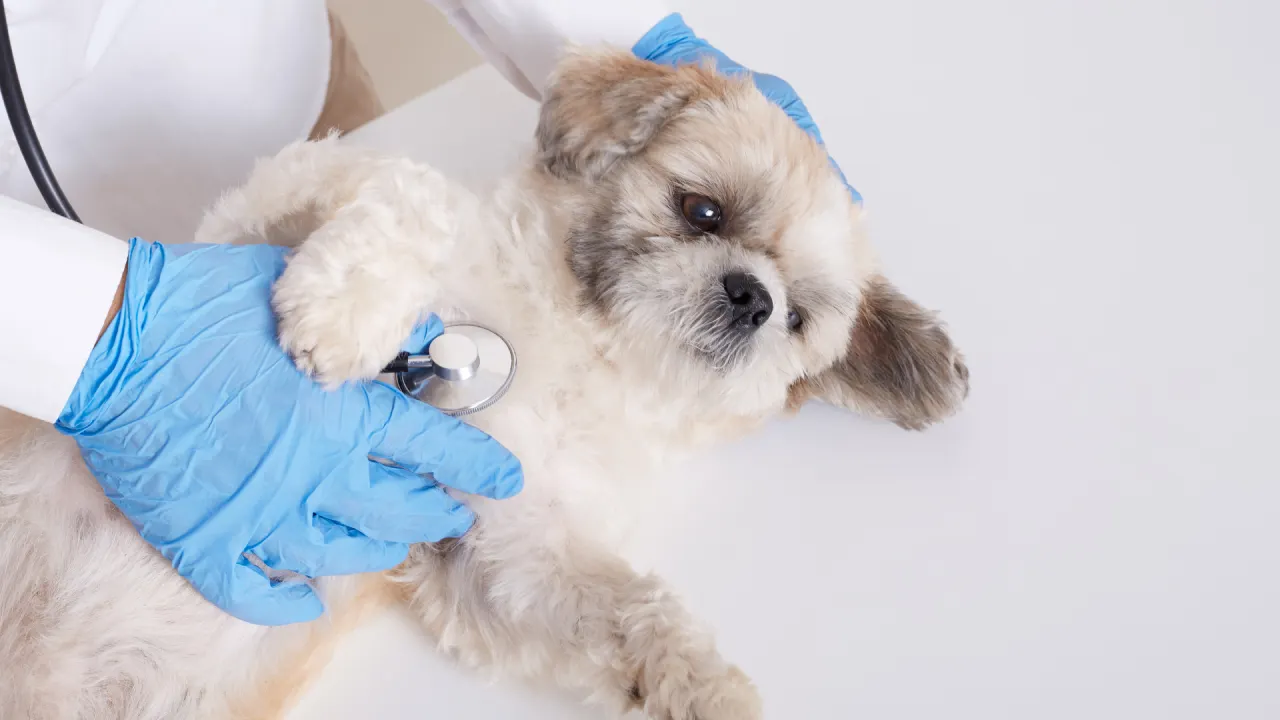
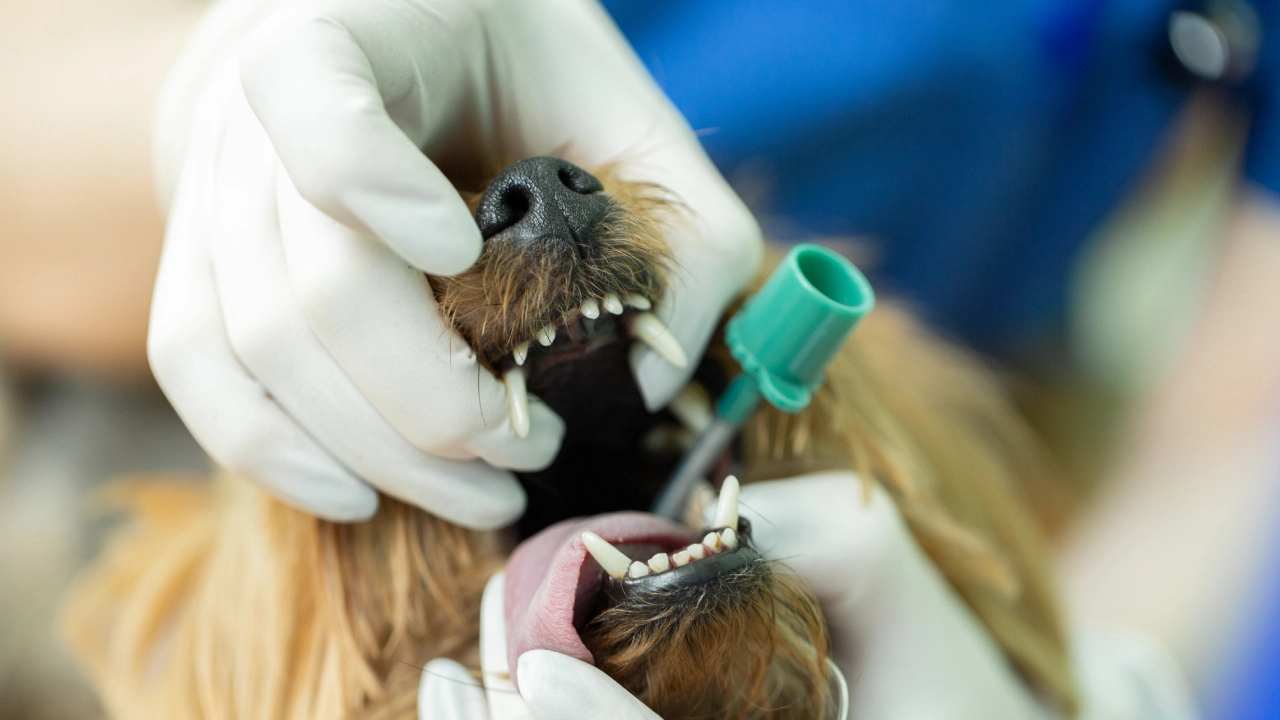
Pets can’t always show what’s wrong, but certain signs like repeated vomiting, trouble swallowing, or ongoing coughing can point to deeper issues. These symptoms often don’t have clear answers through basic exams alone. That’s where an Endoscope Exam for Pets becomes useful, helping veterinarians look inside without major procedures.
In many cases, this type of test helps identify problems early, especially when symptoms don’t improve or seem unclear. For pet owners in Langley, knowing when this option may be needed can make a real difference in the timeliness of care.
An Endoscope Exam for Pets is a non-surgical way to examine the inside of a pet’s body using a flexible tube with a small camera. This tool allows veterinarians to view areas like the stomach, esophagus, airways, and nasal passages in real time.
The procedure is commonly used when external exams or imaging do not provide enough information. As part of a pet endoscopy procedure, it helps detect issues without making large incisions.
This approach is widely used in non-surgical pet diagnostics and is suitable for both dogs and cats. It allows close inspection while reducing physical strain on the animal.
An Endoscope Exam for Pets gives a detailed view of internal structures that are otherwise hard to assess. It is especially helpful for identifying:
Through a veterinary endoscope exam, vets can also collect small tissue samples if needed. This adds another layer of accuracy when diagnosing ongoing conditions.
Because it avoids major surgery, this method often reduces recovery time while still providing clear insights.
There are several cases in which an Endoscope Exam for Pets is an important step in diagnosis. Below are common situations pet owners should watch for:
When symptoms continue despite diet changes or basic care, a closer look at the digestive system may be needed.
Trouble eating or signs of discomfort while swallowing can point to esophageal issues.
Pets often swallow items they shouldn’t. An endoscopy for dogs and cats can help locate and, in some cases, remove them.
Long-term coughing may be linked to airway irritation or blockages.
If a pet is losing weight without a clear reason, internal examination helps rule out serious concerns.
Blood in vomit or stool may indicate internal damage that requires direct visualization.
Ongoing nasal issues can be assessed through an animal endoscopy service focused on the nasal passages.
Repeated discomfort, bloating, or irregular digestion may require a pet digestive tract examination.
Conditions affecting the food pipe can be closely evaluated through this method.
Inflammation or irregularities in the stomach lining can be identified clearly.
Small tissue samples can be collected during the procedure for lab testing.
Certain infections may not be visible without internal inspection.
Breathing issues may require a detailed look inside the respiratory system.
Pets recovering from earlier issues may need re-evaluation to track progress.
In all these cases, an Endoscope Exam for Pets helps narrow down the cause and guide the next steps.
If your veterinarian recommends an Endoscope Exam for Pets, here’s what the process usually involves:
Pets are typically asked to fast for several hours before the procedure. A basic health check is done to ensure they are ready.
The pet is given anesthesia to keep them still and comfortable. The endoscope is then gently inserted through the mouth or nose, depending on the area being examined.
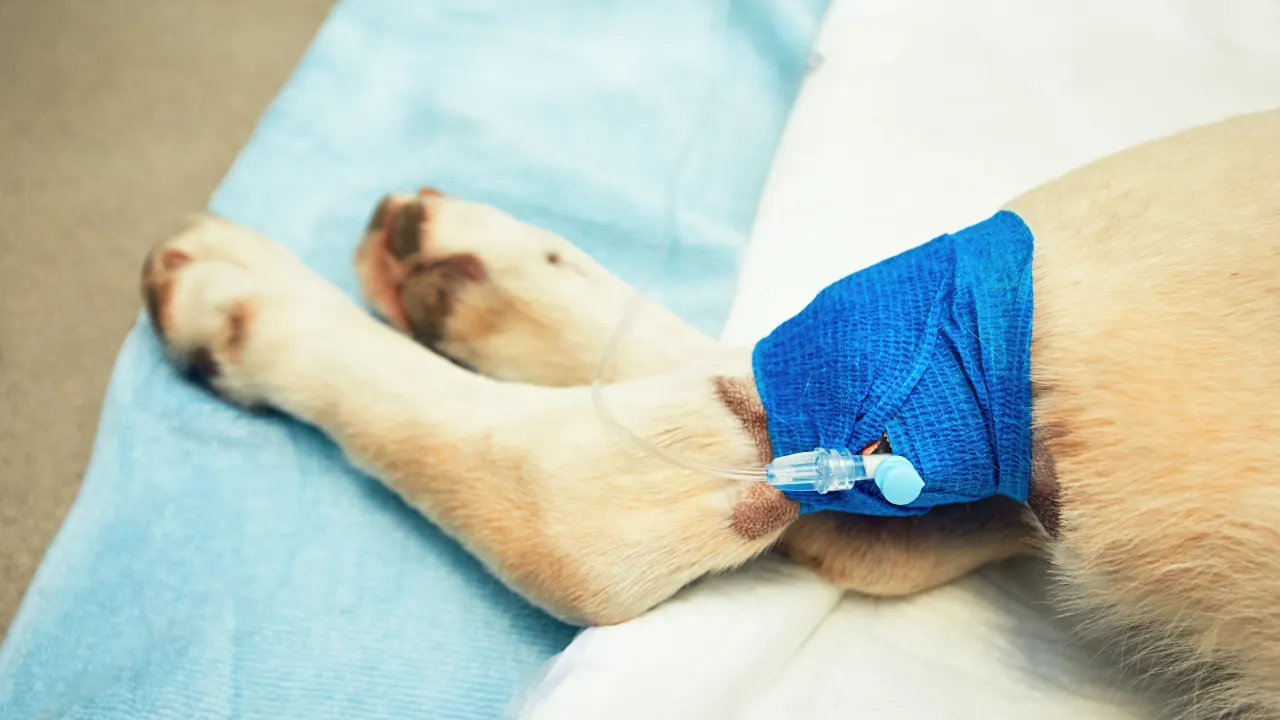
Most pets recover quickly after the procedure. Mild drowsiness is normal for a short time. Your vet may provide feeding or activity instructions based on the findings.
This step-by-step process makes it a reliable option in non-surgical pet diagnostics.
There are a few misunderstandings about this procedure that can cause hesitation:
An Endoscope Exam for Pets is often chosen because it balances accuracy with minimal disruption.
In Langley, pets are often exposed to a mix of indoor and outdoor environments. Local factors that can affect pet health include:
These factors can contribute to digestive or airway issues. When symptoms persist, an Endoscope Exam for Pets helps identify the root cause more clearly.
If symptoms such as vomiting, coughing, or swallowing issues persist without improvement, your vet may suggest it.
Yes, it is widely used and considered safe when handled by trained professionals.
Most procedures are completed within 30 to 60 minutes, depending on the case.
Yes, anesthesia is used to keep pets still and comfortable during the exam.
In many cases, yes. Small objects can often be retrieved without surgery.
Ongoing symptoms in pets should never be ignored, especially when they affect eating, breathing, or daily activity. An Endoscope Exam for Pets provides a clear way to investigate internal concerns without major procedures.
If your pet is showing signs that don’t seem to improve, consider scheduling an evaluation. The team at Apex Animal Hospital is available to assess your pet’s condition and recommend the right next steps.
Visit Apex Animal Hospital at 19909 64 Ave #102, Langley, BC V2Y 1G9, Canada, or call to schedule an exam and get clarity on your pet’s health.