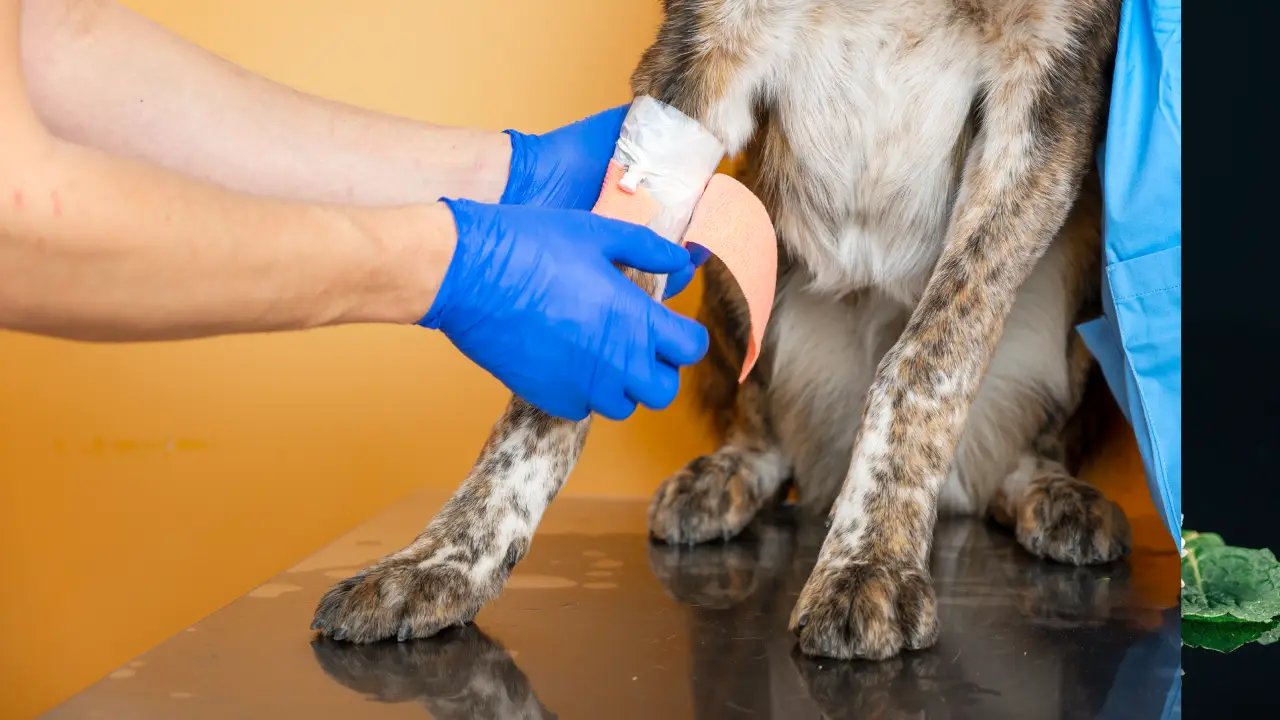
Pets are active companions who love to run, jump, play, and explore their surroundings. Unfortunately, accidents can happen at any time. Falls, vehicle accidents, sports-related incidents, and other traumatic events can result in broken bones that require prompt veterinary attention. When a fracture occurs, pet owners often worry about pain, mobility, and how long it will take for their animal to return to normal activities.
Seeking professional treatment for bone fractures as soon as possible plays an important role in supporting a smoother recovery. Proper diagnosis, stabilization, and ongoing veterinary care can help animals regain movement while reducing the risk of complications. For pet owners in Langley, timely veterinary attention can make a significant difference in the recovery journey.
At Apex Animal Hospital, veterinary professionals work closely with pet owners to evaluate fractures and create appropriate treatment plans based on the animal’s condition, age, and overall health.
A bone fracture occurs when a bone cracks, breaks, or shatters due to excessive force or trauma. Fractures can vary from minor cracks to severe breaks involving multiple bone fragments.
Common causes of fractures in animals include:
Depending on the severity of the injury, pets may show immediate signs of discomfort and difficulty moving.
Recognizing the symptoms of a fracture can help pet owners seek veterinary care quickly.
Common signs include:
If any of these signs appear after an accident or injury, prompt evaluation is recommended.
Early Bone fractures treatment is one of the most important factors influencing recovery. Delayed care can allow the injury to worsen and may increase the likelihood of complications.
Veterinary assessment helps determine:
Quick intervention often helps create a clearer path toward recovery.
Before beginning treatment for bone fractures, veterinarians perform a thorough examination to determine the nature of the injury.
Diagnostic procedures may include:
A detailed examination helps identify pain points, swelling, and mobility limitations.
X-rays are commonly used to visualize fractures and assess their severity.
In some situations, further diagnostics may be required to evaluate surrounding tissues or identify additional injuries.
Accurate diagnosis helps veterinarians choose the most appropriate treatment approach.
One of the primary goals of Bone fractures treatment is stabilization. Broken bones need proper alignment and support to recover effectively.
Treatment options may include:
Stabilization helps reduce movement at the fracture site, which supports the body's natural repair process.
Some fractures require surgery due to their severity or location.
Veterinary surgeons may use:
These techniques help hold fractured bones in position while recovery takes place. In many cases, surgical Bone fractures treatment allows pets to regain function more efficiently than leaving unstable fractures untreated.
Pain management is an important component of Bone fractures treatment. Animals experiencing discomfort may avoid movement, eating, or interacting with family members.
Veterinary teams monitor pain levels and develop strategies to keep pets comfortable throughout recovery.
Comfort-focused care may help:
A comfortable pet is often more willing to participate in rehabilitation activities.
Correct alignment is critical during Bone fractures treatment. When bones heal in the proper position, pets are more likely to regain normal movement patterns.
Poor alignment can sometimes result in:
Veterinary monitoring helps ensure that alignment remains appropriate throughout the recovery process.
Recovery does not end after the initial procedure. Ongoing evaluations allow veterinarians to assess healing progress and make adjustments when necessary.
Follow-up appointments may include:
Regular monitoring is an essential part of successful Bone fractures treatment.
Many pet owners are surprised to learn that rest is a major factor in recovery.
After Bone fractures treatment, veterinarians often recommend:
Restricted activity helps protect the recovering bone and reduces the chance of reinjury.
Rehabilitation can significantly contribute to recovery after bone fracture treatment.
Depending on the injury, rehabilitation may include:
These activities help restore movement while supporting muscle condition and joint function.
Every animal heals differently. Several factors influence how quickly recovery progresses.
These factors include:
Younger animals often recover more quickly than older pets.
Simple fractures may recover faster than complex fractures involving multiple bone fragments.
Animals in strong physical condition often have fewer challenges during recovery.
Prompt bone fracture treatment can reduce delays in recovery.
Following veterinary instructions closely can play a major role in successful outcomes.
While not every accident can be prevented, pet owners can reduce risks by:
Preventive measures help protect pets from future injuries and support long-term mobility.
Attempting to manage fractures without professional assistance can place animals at risk. Improper handling may worsen injuries or delay recovery.
Professional Bone fractures treatment provides:
Veterinary involvement helps ensure pets receive the care needed throughout every stage of recovery.
For pet owners seeking treatment for bone fractures in Langley, prompt veterinary assessment can help determine the most suitable path forward. Whether a fracture is minor or severe, early intervention supports safer management and improved recovery potential.
At Apex Animal Hospital, compassionate veterinary professionals evaluate fractures carefully and work with pet owners to support their animals through every stage of recovery.
Keep your pet as still as possible and seek veterinary attention immediately. Avoid attempting to reposition the injured limb yourself.
Recovery times vary depending on the type of fracture, the pet's age, and overall health. Your veterinarian can provide an estimated timeline after evaluation.
Not all fractures require surgery. Some can be managed with splints or casts, while others need surgical stabilization.
Many pets return to normal activity levels following proper treatment and recovery management, although outcomes depend on the severity of the injury.
Follow all veterinary instructions, attend follow-up appointments, restrict activity as directed, and provide a safe environment for recovery.
If your pet has suffered an injury and may require Bone fractures treatment, don't wait to seek veterinary attention. Early evaluation can help identify the extent of the injury and begin appropriate care as soon as possible.
Contact Apex Animal Hospital in Langley today to schedule an examination and learn more about available treatment options for your pet's recovery journey.