Vomiting in dogs can happen for many reasons, from eating too quickly or getting into something they should not have consumed to infections, intestinal problems, toxins, or other medical conditions. While an isolated episode may sometimes settle on its own, repeated vomiting can become concerning, particularly when a dog cannot keep water down or develops additional symptoms.
For pet owners in Langley, knowing what to watch for can make it easier to decide when veterinary assessment is appropriate. Dog Vomiting should not always be treated as a minor stomach upset, especially when it continues, becomes frequent, or occurs alongside changes in behaviour, appetite, bowel movements, or hydration.
This article explains what may cause vomiting, what pet owners can monitor at home, how veterinary care can address repeated episodes, and which warning signs require prompt attention.
Vomiting is the body's way of forcefully emptying stomach contents. It can occur because of irritation in the digestive tract, something the dog has eaten, or a problem affecting another part of the body.
Common causes may include:
The cause matters because treatment depends on what is producing the vomiting. Simply trying to suppress the symptom without identifying its source may not address the underlying problem.
When a dog vomits once and otherwise appears alert, comfortable, and interested in its surroundings, pet owners may monitor the situation closely. However, home care should be approached cautiously because some causes require veterinary attention.
Keep fresh water available, but avoid allowing a dog that has just vomited to gulp a large quantity at once. Drinking too quickly may trigger another episode. Small amounts given at intervals may be easier to tolerate.
Food may also need temporary adjustment depending on the situation and veterinary advice. Avoid rich treats, fatty foods, leftovers, and unfamiliar foods while the stomach is unsettled.
Do not give human stomach remedies unless a veterinarian specifically recommends them. Some products that are appropriate for people may be unsafe for dogs or may interfere with diagnosis and treatment.
If vomiting continues, becomes frequent, or is accompanied by other symptoms, veterinary assessment is important.
One of the main concerns associated with repeated Dog Vomiting is dehydration. Vomiting can cause the body to lose water and electrolytes. If the dog is also experiencing diarrhea, refusing water, or urinating less frequently, fluid loss can become more significant.
Pet owners may notice:
Dehydration can be particularly concerning in puppies, older dogs, and dogs with existing health problems.
Contact a veterinary clinic when vomiting is repeated or when other concerning signs appear. Prompt assessment is particularly important if a dog:
A swollen abdomen combined with repeated unproductive retching can represent an emergency. In such circumstances, waiting to see whether the problem settles may be unsafe.
Not every vomiting episode requires emergency treatment, but certain patterns can indicate a potentially serious problem.
For example, repeated vomiting combined with abdominal pain may occur with intestinal obstruction, pancreatitis, or other conditions requiring prompt assessment. Blood in vomit can also have several causes and should not be ignored.
Another concern is possible toxin exposure. If a dog has consumed a household chemical, medication, poisonous plant, or other potentially toxic substance, contact a veterinary clinic or an appropriate animal poison service promptly rather than waiting for symptoms to become severe.
Pet owners should also avoid inducing vomiting unless instructed to do so by a veterinary professional. Depending on what was swallowed, making a dog vomit can sometimes cause additional injury.
Yes, veterinary treatment can address repeated Dog Vomiting, but the appropriate approach depends on the underlying cause.
A veterinarian may begin with a physical examination and questions about:
Depending on the findings, diagnostic testing may be recommended. This can include blood testing, stool testing, X-rays, ultrasound, or other investigations.
Treatment may involve fluid support when dehydration is present, dietary management, anti-nausea treatment, or other veterinary interventions. If an obstruction, toxin exposure, infection, or another underlying condition is identified, treatment will focus on that cause.
Repeated vomiting should therefore be viewed as a symptom rather than a diagnosis.
A single vomiting episode may have a relatively minor cause, but repeated episodes can create a cycle.
A dog vomits and loses fluids. It may then drink quickly because it feels thirsty, which can irritate the stomach further and trigger another episode. Continued vomiting can lead to additional fluid and electrolyte loss.
There is also the possibility that the vomiting itself is only one sign of a larger medical issue.
For example, an intestinal foreign body may initially appear as stomach upset. As the obstruction progresses, vomiting may become more frequent, appetite may decline, and abdominal discomfort may develop.
Similarly, gastrointestinal infections can cause vomiting alongside diarrhea, reduced appetite, and lethargy.
This is why the pattern, duration, and accompanying symptoms matter.
When a dog is vomiting, useful information can help a veterinarian determine what may be happening.
Consider recording:
Photos of vomit or unusual material can also provide useful information during a veterinary consultation.
Dietary management after vomiting should depend on the dog's condition and veterinary advice.
Avoid immediately giving a large meal after an episode. Large quantities of food may place additional strain on an irritated stomach.
Likewise, a dog that is thirsty may try to drink rapidly. Large amounts of water consumed quickly can sometimes trigger further vomiting.
For dogs with continued vomiting, dehydration, weakness, or other symptoms, home feeding strategies are not a substitute for veterinary evaluation.
Puppies and small dogs can require particular attention because fluid loss may become significant more quickly.
Diet plays an important role in digestive health. Abrupt changes in food can upset some dogs, particularly those with sensitive digestive systems.
When changing a dog's diet, gradual transitions are generally preferable to sudden switches. Avoid repeatedly changing foods in response to each vomiting episode without first discussing the problem with a veterinarian.
Dogs may also consume things outside their regular meals. Garbage, fatty foods, bones, toys, socks, plants, and other objects can create digestive problems or, in some cases, intestinal obstruction.
Keeping potentially harmful items out of reach can reduce the chance of accidental ingestion.
When Dog Vomiting occurs repeatedly, a veterinarian may use several steps to determine the cause.
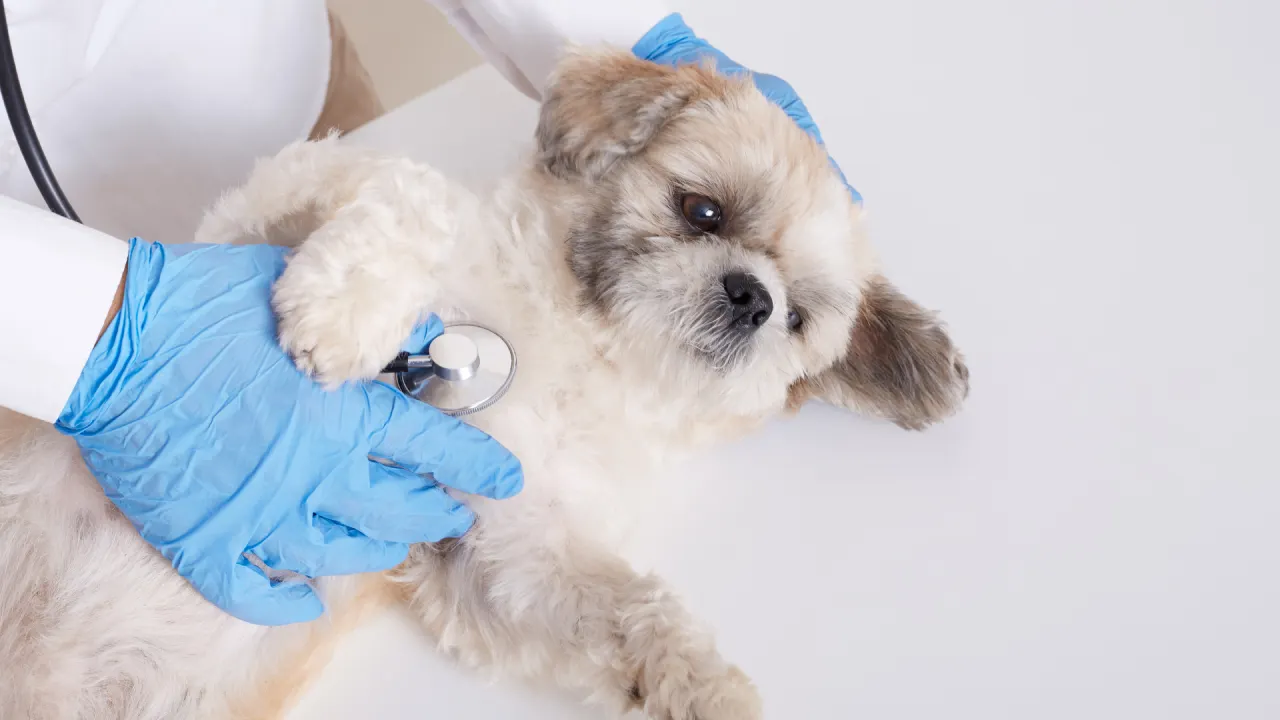
The veterinarian may assess hydration, abdominal comfort, body temperature, heart rate, breathing, gum appearance, and other physical signs.
Details about diet, previous illness, recent activities, medications, travel, exposure to other animals, and possible toxin or foreign-object ingestion can help narrow down potential causes.
Testing may be recommended based on the dog's age, symptoms, examination findings, and history.
Bloodwork can provide information about organ function, hydration, blood cells, and other health markers. Imaging such as X-rays or ultrasound may help identify foreign objects, intestinal abnormalities, or other internal problems.
Not every dog needs every test. The veterinarian determines which investigations are appropriate based on the clinical picture.
Although not every cause can be prevented, several everyday measures may reduce certain risks.
Keep garbage bins securely closed and store household chemicals and potentially toxic substances away from pets. Monitor dogs during walks so they are less likely to consume unfamiliar objects or substances.
Use gradual food transitions and avoid feeding excessive table scraps. If a dog tends to eat rapidly, discuss feeding strategies with a veterinarian.
Routine veterinary visits can also help identify health concerns before they become more noticeable.
Age can influence how concerning vomiting may be.
Puppies have developing bodies and can become dehydrated when vomiting or diarrhea continues. They may also chew and swallow objects while exploring their surroundings.
Older dogs may have underlying health conditions that need to be considered when vomiting develops. A new digestive symptom in an older pet may warrant veterinary assessment, particularly when it is repeated or associated with changes in appetite, weight, energy, or bowel habits.
The dog's overall condition is therefore just as important as the vomiting itself.
If your dog vomits repeatedly, cannot keep water down, appears weak, has abdominal discomfort, shows signs of dehydration, or has blood in the vomit, contact a veterinary clinic promptly.
For possible toxin ingestion, foreign-object ingestion, severe abdominal swelling, collapse, or repeated unproductive retching, seek urgent veterinary care.
Pet owners in Langley can contact Apex Animal Hospital for assessment when vomiting is persistent, recurring, or accompanied by warning signs. A veterinary examination can help determine whether the issue is likely to settle with supportive care or whether further testing and treatment are needed.
There is no single number that applies to every dog. Repeated vomiting, vomiting that continues over several hours, inability to keep water down, or additional symptoms such as weakness, abdominal pain, blood, or dehydration should prompt veterinary contact.
Avoid giving human stomach products unless a veterinarian has specifically instructed you to do so. Depending on the cause and severity, a veterinarian may recommend a temporary feeding and hydration plan.
Yes. Repeated vomiting can cause loss of fluids and electrolytes. The risk may increase when vomiting occurs alongside diarrhea or when the dog cannot drink enough water to replace lost fluids.
Blood in vomit should be taken seriously. The cause can vary, so veterinary assessment is appropriate, particularly when blood is accompanied by repeated vomiting, weakness, abdominal discomfort, or other concerning symptoms.
Yes. Dogs may swallow toys, fabric, bones, household items, or other foreign objects. An intestinal obstruction can cause vomiting and may become serious. If you suspect your dog swallowed an object, contact a veterinarian promptly rather than waiting for symptoms to worsen.
Vomiting can range from a short-lived digestive upset to a sign of a condition that needs prompt veterinary attention. Monitoring hydration, appetite, behaviour, bowel movements, and the frequency of episodes can help pet owners recognize changes that require care.
If your dog is dealing with repeated vomiting or you are concerned about accompanying symptoms, contact Apex Animal Hospital in Langley for a veterinary assessment. Early evaluation can help identify the cause and determine the appropriate next steps for your pet.
Phone: +1 604-514-1444
Address: 19909 64 Ave 102, Langley, BC V2Y 1G9, Canada