Knee problems can make everyday movement difficult for dogs and cats. A pet that once ran, jumped, climbed stairs, or played with a favorite toy may start slowing down, avoiding activity, or putting less weight on one hind leg. Some knee conditions improve with rest and veterinary treatment, while others may require Knee Surgery to restore joint stability or address structural damage.
For families in Langley, Apex Animal Hospital provides orthopedic surgical care for cruciate ligament injuries, patella luxation, fractures, and other joint problems. The hospital performs TPLO procedures and other orthopedic operations, with diagnostic assessment and postoperative monitoring as part of the surgical process.
Cranial cruciate ligament (CCL), injury is one of the most common knee problems seen in dogs. The CCL helps stabilize the knee. When it becomes partially or completely torn, the joint can become unstable, causing limping, stiffness, swelling, and difficulty rising.
Some dogs may be managed with restricted activity, weight management, rehabilitation, and veterinary-prescribed medication. An operation may be considered when the knee remains unstable, the dog is active or larger in size, or conservative care does not provide adequate function.
Apex Animal Hospital performs cruciate ligament procedures, including TPLO (Tibial Plateau Leveling Osteotomy), for appropriate patients. A veterinary examination, orthopedic assessment, and diagnostic imaging can help determine whether Knee Surgery is appropriate.
Patellar luxation occurs when the kneecap moves out of its normal groove. It can affect small and large dogs and may be present from an early age or develop with time.
A pet with patellar luxation may briefly carry a hind leg, skip while walking, or suddenly extend the leg before returning to normal movement. Mild cases may be monitored, but recurrent luxation can contribute to cartilage damage, arthritis, and other knee problems.
When the kneecap repeatedly moves out of position or causes significant functional problems, Knee Surgery may be considered. Procedures can involve correcting the groove, repositioning the tibial crest, or addressing surrounding soft tissues, depending on the anatomy of the knee.
The menisci are pieces of cartilage within the knee that help distribute load and support smooth joint movement. A damaged meniscus can occur alongside a cruciate ligament injury because an unstable knee places abnormal stress on the cartilage.
Signs may include persistent limping, clicking sounds, pain when the knee moves, or difficulty returning to normal activity. During an orthopedic procedure, a veterinarian may inspect the joint and address damaged meniscal tissue when indicated.
If your pet has a confirmed ligament injury with suspected meniscal damage, Knee Surgery may be part of the treatment plan.
Osteoarthritis is a progressive joint condition involving cartilage wear, inflammation, and changes to the structures surrounding the joint. It can develop after ligament injury, patellar luxation, trauma, or other orthopedic conditions.
Not every pet with arthritis needs surgery. Weight control, activity modification, rehabilitation, veterinary-prescribed medication, and other management strategies may be considered based on the animal's condition.
However, surgery can sometimes be considered when arthritis is associated with a correctable structural problem, severe joint damage, or another condition that is causing persistent functional impairment. Surgical treatment is therefore assessed according to the underlying cause rather than arthritis alone.
Trauma can cause fractures involving the femur, tibia, patella, or other structures around the knee. A fracture may occur after a fall, collision, accident, or other injury.
Treatment depends on the location and type of fracture, the animal's size and age, joint involvement, and the stability of the affected area. Some fractures may be managed without surgery, while displaced or unstable fractures may require fixation using surgical implants.
Apex Animal Hospital provides orthopedic procedures for fractures. If a fracture affects the knee joint, Knee Surgery may be needed to restore alignment and support normal limb function.
Young pets can develop orthopedic problems as their bones and joints grow. Abnormal alignment, developmental changes, or congenital conditions can affect the way the kneecap and knee joint function.
A young dog that frequently skips, sits awkwardly, avoids stairs, or develops an unusual gait should be examined by a veterinarian. Early assessment can help identify structural issues before secondary joint damage develops.
Depending on the condition and severity, treatment may involve observation, activity changes, rehabilitation, or surgery. The timing of surgery is determined by the pet's age, growth status, symptoms, and joint structure.
A major injury can damage several parts of the knee at once, including ligaments, cartilage, bone, and surrounding tissues. Severe trauma may leave the joint unstable or unable to support normal weight.
A veterinarian may use physical examination and imaging to determine the extent of damage. Treatment can range from restricted activity and medical management to surgical repair.
When structural damage cannot be adequately managed through conservative care, Knee Surgery may be recommended to stabilize or reconstruct the joint.
Limping does not automatically mean a pet needs an operation. Limping is a sign, not a diagnosis, and it can result from many problems, including paw injuries, muscle strains, arthritis, fractures, ligament injuries, or neurological conditions.
Certain patterns can make a knee problem more concerning. These include sudden non-weight-bearing lameness, repeated skipping on one hind leg, difficulty getting up, reluctance to use stairs, swelling around the knee, pain during movement, or limping that continues after rest.
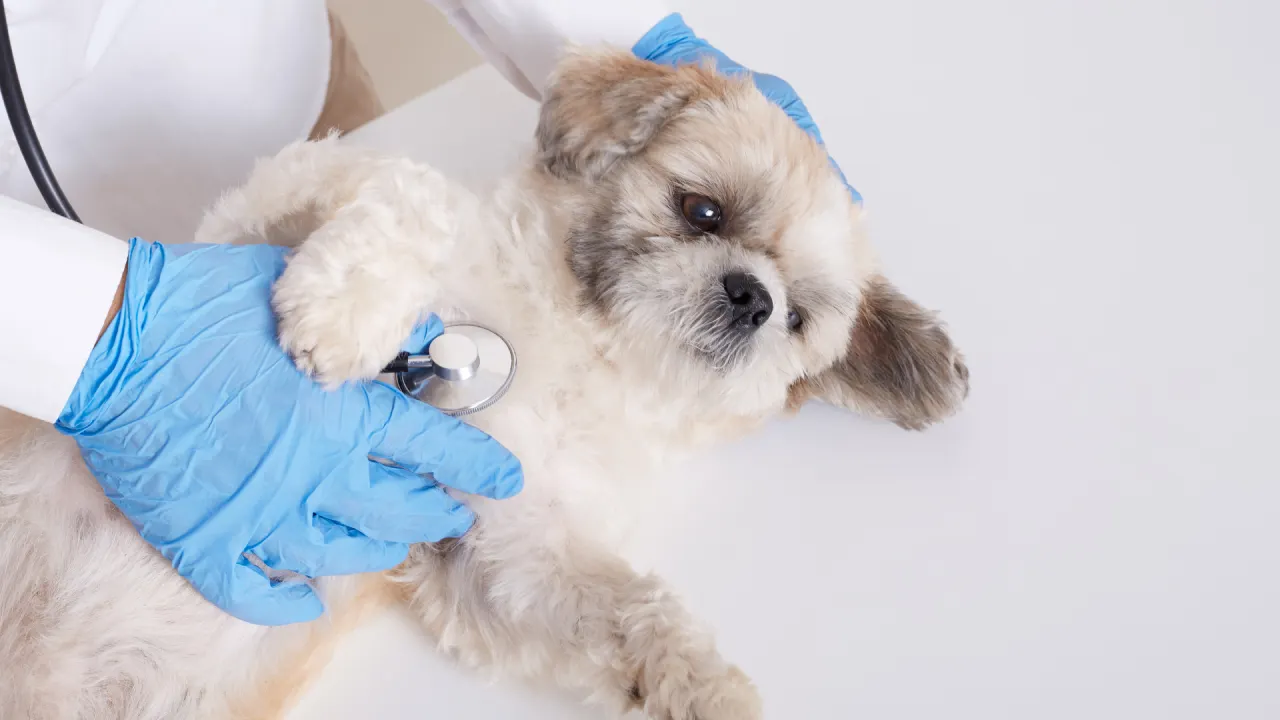
A veterinary examination is important because the source of the limp may not be obvious at home. Your veterinarian may assess gait, joint movement, muscle symmetry, pain responses, and knee stability. X-rays or other imaging may be recommended when needed.
If a structural knee disorder is identified, an operation is only one possible part of the discussion. The veterinarian will consider the pet's age, size, activity level, medical history, severity of the injury, and expected function before recommending a treatment path.
The cost of pet knee surgery varies substantially. It can depend on the diagnosis, procedure selected, pet size, imaging, blood testing, anesthesia, monitoring, hospitalization, implants, medications, and follow-up care.
Published US estimates for canine cruciate ligament surgery commonly range from about US$1,500 to US$7,000 or more per knee, with many procedures falling around US$3,000 to US$5,000. These figures are not a quote for Langley and should not be used as an estimate for Apex Animal Hospital. Local pricing can differ based on the procedure and the services included.
Apex Animal Hospital states that it provides detailed estimates for treatment and discusses the surgical process, recovery, and costs with pet owners. For a pet in Langley, the most useful way to determine the likely cost of Knee Surgery is to arrange an examination and receive a case-specific estimate.
A pet may compensate for a sore knee by shifting weight to the other hind limb. Over time, that change can affect muscle use and daily movement. Dogs may also hide discomfort during routine activity, while cats often reduce jumping or grooming rather than showing an obvious limp.
Keeping a short record of when limping occurs, which activities trigger it, and whether it improves with rest can help your veterinarian evaluate the pattern. Do not give human pain medicine unless your veterinarian specifically advises it.
No. Some pets can be managed without surgery, depending on their size, activity level, joint stability, age, and overall health. Surgery may be considered when instability is significant or conservative management is unlikely to provide adequate function.
Recovery varies by procedure and patient. Activity is generally restricted after orthopedic surgery, followed by gradual return to movement under veterinary direction. Follow-up examinations are important during recovery.
Yes. Cats can develop patellar luxation, ligament injuries, fractures, arthritis, and other orthopedic conditions. Their signs can be subtle, so changes in jumping, grooming, walking, or activity deserve attention.
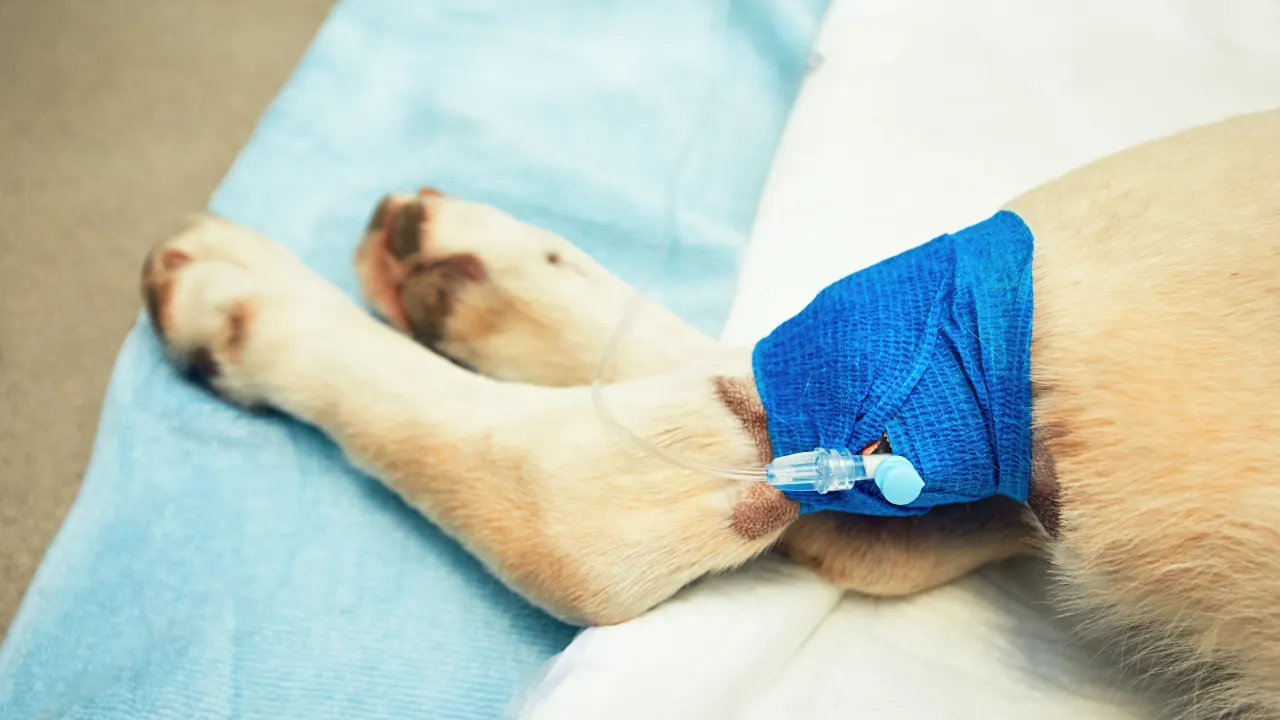
The veterinarian will assess the pet, review medical history, examine the affected limb, and may recommend imaging and blood testing. The surgical plan, anesthesia, recovery expectations, and estimated costs should be discussed before the procedure.
Contact a veterinarian promptly if your pet cannot bear weight, appears painful, has visible swelling or deformity, or has persistent or worsening lameness. Sudden severe injury may require urgent assessment.
If your dog or cat is limping, skipping, struggling with stairs, or showing signs of knee discomfort, arrange a veterinary assessment rather than trying to diagnose the problem at home.
Apex Animal Hospital in Langley provides orthopedic surgical services, including cruciate ligament procedures, TPLO, patella luxation surgery, and fracture care. Our clinic is located at 19909 64 Ave #102, Langley, BC V2Y 1G9. Call us (604) 514-1444 to schedule an appointment and discuss your pet's knee problem and available treatment options.