Rabbits are affectionate, curious, and intelligent animals that bring joy to many households. However, caring for a rabbit involves more than providing fresh vegetables, clean water, and a comfortable living space. Like cats and dogs, rabbits can develop health conditions that require professional veterinary attention. Their unique anatomy, digestive system, and behavioural characteristics make routine healthcare particularly important.
Rabbit owners should understand the importance of preventive veterinary care, early diagnosis, and appropriate treatment. From digestive disorders and dental disease to reproductive conditions and emergency injuries, rabbits can experience health problems that require medical intervention or surgical treatment.
At Apex Animal Hospital in Langley, rabbit owners can seek veterinary assistance when their pets show signs of illness or require medical assessment. Knowing when to seek help can make a significant difference in managing health concerns.
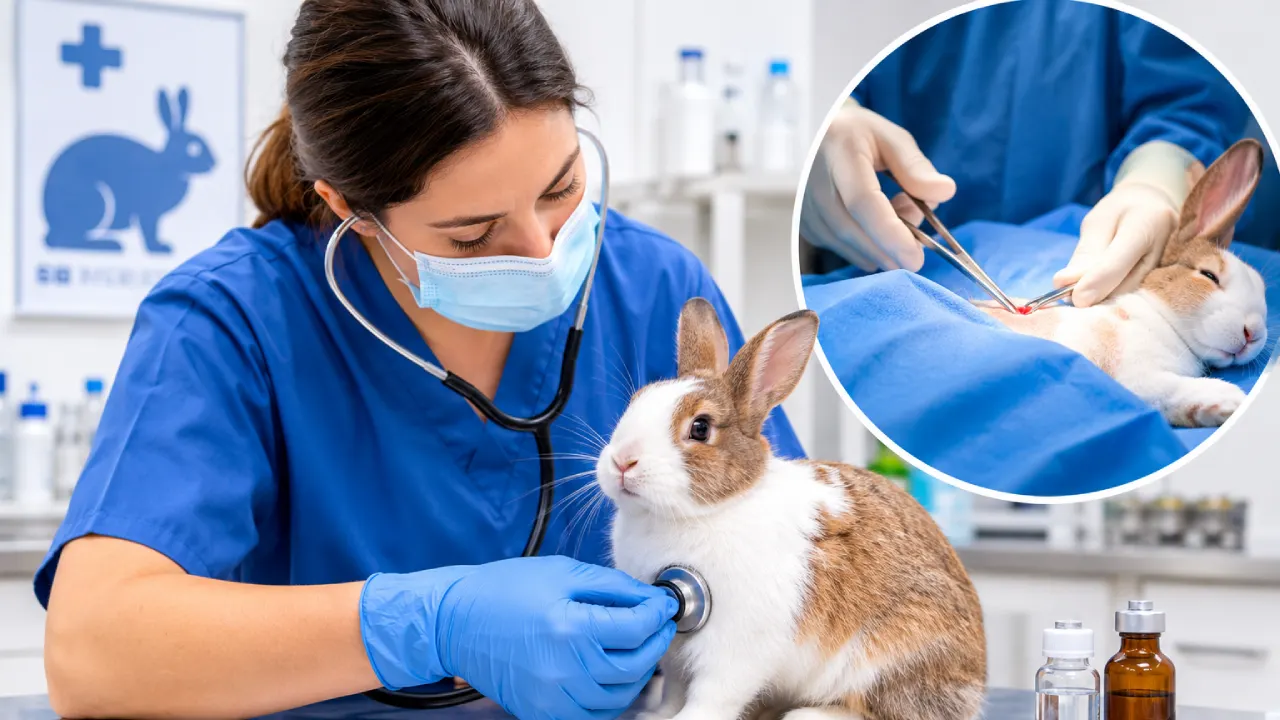
Rabbit medicine and surgery play an important role in identifying, treating, and managing various conditions that affect domestic rabbits. Whether your rabbit needs a routine examination, diagnostic testing, or a surgical procedure, understanding the available veterinary options can help you make informed decisions about its care.
Rabbits have distinct physiological needs that make their healthcare different from that of other household pets. Their digestive systems are particularly sensitive, their teeth continue growing throughout life, and they can hide signs of discomfort until a condition becomes advanced.
One major difference is their digestive system. Rabbits require a constant supply of fibre to maintain normal intestinal movement. Hay should form the foundation of their daily diet because it supports digestion and helps wear down continuously growing teeth.
Another important difference is how rabbits respond to illness. As prey animals, they naturally conceal weakness. A rabbit that appears quiet or slightly less active may already be experiencing a significant health problem.
Veterinary examinations are therefore important, even when there are no obvious symptoms.
Rabbit medicine and surgery address these unique requirements through appropriate examinations, diagnostic procedures, medical treatment, and surgical intervention when necessary.
Recognizing common rabbit illnesses can help owners seek veterinary assistance before a condition becomes severe.
Gastrointestinal (GI) stasis is one of the most concerning health conditions in rabbits. It occurs when the normal movement of food through the digestive tract slows down or stops.
Common warning signs include:
GI stasis can develop because of inadequate fibre intake, dehydration, stress, dental disease, pain, or another underlying illness.
This condition requires prompt veterinary assessment. Owners should not wait several days to see whether the rabbit improves on its own.
Rabbit teeth grow continuously throughout their lives. A diet containing sufficient hay helps maintain normal tooth wear.
However, dental misalignment or inadequate tooth wear can cause overgrown teeth, sharp edges, and painful oral conditions.
Signs of dental disease include:
A veterinarian may examine the mouth and recommend dental imaging when required. Depending on the condition, treatment may involve tooth trimming or other dental procedures performed under appropriate veterinary care.
Rabbits can develop respiratory infections that affect their nasal passages and lungs.
Symptoms may include sneezing, nasal discharge, noisy breathing, watery eyes, and reduced activity.
Respiratory problems should not be ignored because some infections can progress and interfere with normal breathing.
A veterinarian can assess the cause and determine whether diagnostic testing and prescribed treatment are necessary.
Urinary conditions are another concern among domestic rabbits. Bladder sludge, urinary stones, infections, and other urinary disorders can cause discomfort.
Watch for:
A veterinary examination may include urine testing, blood tests, or diagnostic imaging to identify the underlying problem.
Rabbits may develop skin irritation, mites, fungal infections, and other dermatological problems.
Common signs include excessive scratching, hair loss, flaky skin, crusting, and irritated areas.
Avoid applying products intended for cats or dogs unless a veterinarian confirms they are safe for rabbits. Certain substances can be toxic to rabbits.
Rabbit medicine and surgery cover a range of veterinary services intended to address illnesses, injuries, and conditions affecting rabbits.
The appropriate approach depends on the animal's age, medical history, symptoms, and examination findings.
Common areas of rabbit veterinary care include:
Preventive care focuses on monitoring a rabbit's health before serious symptoms appear.
Routine examinations may include:
Regular examinations also allow veterinarians to identify subtle changes that owners may not notice at home.
When a rabbit displays symptoms, diagnostic testing can help identify the underlying condition.
Depending on the clinical findings, a veterinarian may recommend:
Accurate diagnosis is important because different conditions can produce similar symptoms.
Medical care depends on the identified condition. It may involve prescribed medicines, fluid therapy, nutritional support, wound care, or other veterinary procedures.
For example, a rabbit experiencing dehydration may require fluid support, while an animal with a bacterial infection may need veterinarian-prescribed antibiotics.
Owners should never administer human medicines or leftover pet medicines without veterinary approval. Rabbits have sensitive digestive systems, and certain medicines can cause serious complications.
Some conditions cannot be managed through medical treatment alone. Surgical intervention may be necessary to address reproductive diseases, urinary stones, injuries, abscesses, or other diagnosed problems.
Before recommending an operation, the veterinarian evaluates the rabbit's condition and discusses the anticipated procedure, anesthesia, potential risks, and recovery requirements.
Yes. Timely veterinary assessment, appropriate medical care, and necessary surgical procedures can help prevent certain health conditions from progressing into serious complications.
However, prevention depends on several factors, including early symptom recognition, accurate diagnosis, and prompt treatment.
Rabbit medicine and surgery can play an important role in managing conditions that may otherwise become life-threatening.
Here are several ways veterinary intervention can help:
Rabbits often conceal discomfort. A routine examination can identify subtle abnormalities involving the teeth, abdomen, skin, respiratory system, and other organs.
Early identification allows the veterinarian to investigate a concern before additional complications develop.
GI stasis can become dangerous when intestinal movement stops and the rabbit cannot maintain normal food intake.
Prompt veterinary care can address dehydration, pain, reduced intestinal movement, and the underlying cause.
Untreated dental disease can lead to chronic discomfort, reduced food intake, weight loss, and digestive complications.
Regular dental assessments and appropriate treatment can help maintain normal eating habits.
Unspayed female rabbits have a significant risk of developing uterine diseases, including uterine cancer, as they age.
Spaying may reduce the risk of uterine and ovarian diseases. It can also prevent unwanted pregnancies.
Neutering male rabbits may reduce certain hormone-related behaviours and prevent reproduction.
The appropriate timing depends on the rabbit's age, health, and veterinary assessment.
Rabbits may sustain injuries from falls, accidental impacts, or inappropriate handling. Internal conditions may also develop without obvious external signs.
Veterinary examination and diagnostic imaging can help identify problems that require medical or surgical intervention.
Early treatment can reduce the risk of complications associated with untreated injuries and diseases.
It is important to remember that no veterinary procedure can prevent every illness. Nevertheless, timely care can reduce the risks associated with several common rabbit health conditions.
Not every rabbit requires surgery. However, certain conditions may require an operation to protect the animal's health.
Common procedures include:
Spaying and neutering: These procedures prevent reproduction and may reduce the risk of certain reproductive diseases.
Abscess treatment: Rabbit abscesses can be difficult to manage because their contents are often thick and enclosed within firm tissue. Treatment may require surgical intervention alongside additional care.
Urinary stone removal: Large bladder stones or stones causing obstruction may require surgical removal.
Dental procedures: Severe dental abnormalities may require procedures under anesthesia to address affected teeth.
Wound repair: Serious injuries may require surgical cleaning, closure, or reconstruction.
Tumour removal: Certain masses may require surgical removal following diagnostic assessment.
Before surgery, the veterinary team evaluates the rabbit's overall condition. This may involve blood testing, imaging, and an assessment of anaesthetic risk.
Rabbit anesthesia requires careful monitoring because these animals have particular physiological and respiratory considerations.
Post-operative care is an important part of veterinary treatment. Rabbits can experience complications if they stop eating, become dehydrated, or develop wound problems after surgery.
Your veterinarian should provide instructions based on the procedure performed.
Some important recovery considerations include:
A rabbit should resume eating as advised by the veterinary team. Reduced appetite after surgery needs prompt attention because rabbits are vulnerable to gastrointestinal complications.
Monitor the number and size of droppings. A significant reduction may indicate that intestinal movement has slowed.
Keep the rabbit in a clean, dry, and quiet enclosure. Limit jumping and strenuous movement when instructed.
Check for swelling, discharge, redness, bleeding, or an unusual smell. Contact the veterinarian if these symptoms develop.
Give prescribed medicines according to the veterinary team's instructions. Never change doses or discontinue treatment without consulting the veterinarian.
Follow-up appointments allow the veterinarian to assess the surgical site, appetite, mobility, and general recovery.
Veterinary visits are important, but everyday care also plays a major role in maintaining rabbit health.
Owners can support their pets through several simple habits.
Provide unlimited grass hay: Hay supports digestive function and normal tooth wear. Timothy hay is a common choice for adult rabbits.
Provide fresh water: Ensure clean drinking water is available throughout the day.
Feed suitable vegetables: Introduce rabbit-safe leafy greens gradually and monitor digestive changes.
Limit sugary treats: Excessive fruit and sugary snacks can disrupt dietary balance.
Encourage daily movement: Provide enough room for running, hopping, stretching, and exploration.
Maintain hygiene: Clean litter areas regularly and keep the enclosure dry.
Monitor weight: Sudden weight changes may indicate an underlying health problem.
Check behaviour: Changes in appetite, movement, grooming, and droppings should be taken seriously.
These habits support everyday health, but they do not replace veterinary examinations.
Finding veterinary care for a rabbit requires attention to the animal's unique needs. Rabbit owners should discuss their pet's symptoms, medical history, dietary habits, and previous treatments during veterinary appointments.
Apex Animal Hospital in Langley is a local point of contact for pet owners seeking veterinary assistance.
If your rabbit is showing signs of illness, arrange a veterinary assessment rather than waiting for symptoms to become more pronounced.
When contacting the hospital, consider discussing:
Ask whether the hospital currently provides rabbit-specific examinations, diagnostic testing, and surgical services, and whether an appointment is required.
For rabbit owners researching Rabbit medicine and surgery, asking these questions can help clarify which services are available and what steps may be necessary for their pet.
Healthy adult rabbits should generally receive a veterinary examination at least once a year. Older rabbits and those with existing health conditions may require more frequent visits. Your veterinarian can recommend an examination schedule based on your rabbit's age and health.
Refusing food, producing very few or no droppings, difficulty breathing, severe lethargy, collapse, bleeding, and straining to urinate require urgent veterinary attention. A rabbit that stops eating should be assessed promptly.
Surgery involves risks for every animal, including rabbits. Anesthesia requires careful planning and monitoring. A veterinarian will assess the rabbit's health, discuss potential complications, and explain the procedure before proceeding.
Rabbits are commonly considered for these procedures around sexual maturity, although the appropriate age varies by sex, breed, size, and health. A veterinarian can assess the individual rabbit and recommend suitable timing.
Routine examinations can identify early signs of dental, digestive, reproductive, and other health conditions. Vaccination where indicated, appropriate nutrition, hygiene, and prompt attention to unusual symptoms also contribute to disease prevention.
Rabbit ownership comes with the responsibility of recognizing health concerns and arranging veterinary care when necessary. Rabbits may hide discomfort, making routine examinations and daily observation important parts of responsible pet ownership.
Rabbit medicine and surgery provide important options for diagnosing, treating, and managing a range of conditions, from dental abnormalities and digestive disorders to reproductive diseases and injuries.
Knowing the warning signs, maintaining an appropriate diet, and seeking veterinary assistance promptly can help reduce the risk of serious complications.
Your rabbit depends on you to recognize changes in its health and arrange veterinary attention when needed. Do not ignore reduced appetite, unusual behaviour, changes in droppings, or signs of discomfort.
If you have concerns about your rabbit's health or would like to discuss preventive examinations, medical care, or possible surgical procedures, contact Apex Animal Hospital in Langley.
Schedule a veterinary consultation to discuss your rabbit's health requirements and find out which examination or treatment options may be appropriate.
Phone: +1 604-514-1444
Address: 19909 64 Ave #102, Langley, BC V2Y 1G9, Canada